

Service Hotline
Service Hotline

Time:2022-08-09 Visit:
(1) Substrate: The first step in designing a cleaning process is a thorough review of the printed circuit board layout to determine plated through holes, hole aspect ratios, any suitable through holes for plugging or masking, and choice of solder mask material. The composition, size, and geometry of the parts can create sandwich assemblies with low clearances and small outlets, making residue removal difficult.
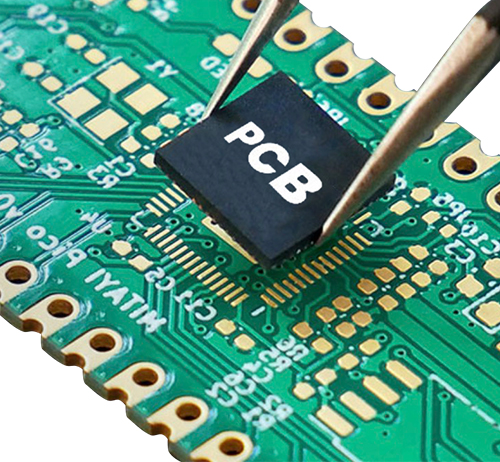
Small and lightweight components increase the need for clamping components as they go through the cleaning process. The cleaning process design first considers the board surface, metallization, and compatibility constraints. Unique constraints on parts may limit the cleaning process for some components.
(2) Component contamination: With a clear understanding of the unique component considerations and constraints, the next step in designing for manufacturability is to consider the effects of contaminants that remain on the board after the assembly (usually soldering) process. To understand the risk of contamination, designers must consider flux residue composition, physical properties, quantity, and the ability of the cleaning material to remove solder residues. The interaction of the solder material, i.e. the flux and the heat treatment process associated with the part and the retention time between the heat treatment and cleaning process, can have an impact on the final part cleanliness. Subsequent processing steps may also affect the cleanliness of the product. Solder pastes, flux pastes, and wave soldering fluxes affect the degree and ease of residue removal after the soldering process. Flux residue cleaning rates vary with flux composition, post-reflow time, and reflow temperature.

Offer competitive price with
superior quality

The indepent PCB and SMT
plant

Guarantee the quality and
lead time

Fastest processing in each
department
24H service hotline:
 sales@hyymcpcb.com
mkt@hyymcpcb.com
 No.10 YuMin Road, Shatou Industrial Zone, ShajingTown, Bao'an District, Shenzhen, China.


Copyright © 2013-2017 SHENZHEN HYY TECHNOLOGY CO.,LTD Technical Support: Xhyos


About Us

News

